Visit Agadir: Complete Travel Guide & Tips
Discover the coastal jewel of southern Morocco with our expert guide to Agadir. Learn where to find pristine beaches, explore bustling souks, sample authentic Souss cuisine, and plan unforgettable day trips.
Stretching along Morocco’s southern Atlantic coastline, Agadir represents a fascinating contrast to the country’s ancient imperial cities. Rebuilt completely after a devastating earthquake in 1960, the city emerged as a modern, relaxed resort destination defined by broad palm-lined boulevards, contemporary architecture, and a crescent-shaped bay spanning over ten kilometres. When you plan to visit Agadir, you step into Morocco’s premier beach capital, where over 300 days of annual sunshine meet rich Souss-Massa culture, vibrant market life, and world-class watersports hubs.
Unlike Marrakech or Fes, Agadir prioritises open spaces, ocean breezes, and a calm coastal rhythm. It serves as an ideal base for travellers who want to combine oceanfront relaxation with accessible day trips into the Anti-Atlas mountains, traditional Berber villages, and legendary surf breaks. Whether you are spending a weekend relaxing on the sand or using the city as a launchpad for southern exploration, this comprehensive guide covers everything you need to navigate Agadir with confidence.
Why Visit Agadir: Modern Charm Meets Coastal Sunshine
Agadir offers a distinct atmosphere compared to northern Morocco. Its modern grid layout makes navigating the city remarkably simple for first-time visitors. Rather than sprawling, confusing medieval medinas, you will find clean avenues, clear signage, and an expansive oceanfront promenade designed for evening strolls. This infrastructure creates an exceptionally stress-free environment for families, solo travellers, and seniors alike.
The region’s unique geography plays a major role in its appeal. Nestled between the Atlantic Ocean and the foothills of the Atlas range, Agadir enjoys a temperate microclimate. Summers remain cooler than the scorching interior regions like Marrakech, while winters stay pleasant and warm. Furthermore, the local culture reflects the deep roots of the Amazigh (Berber) people of the Souss region, visible in the warm hospitality, traditional music, crafts, and distinctive culinary flavors found throughout the city.
Top Things to Do on Your Agadir Trip
Relax Along the Agadir Corniche and Bay
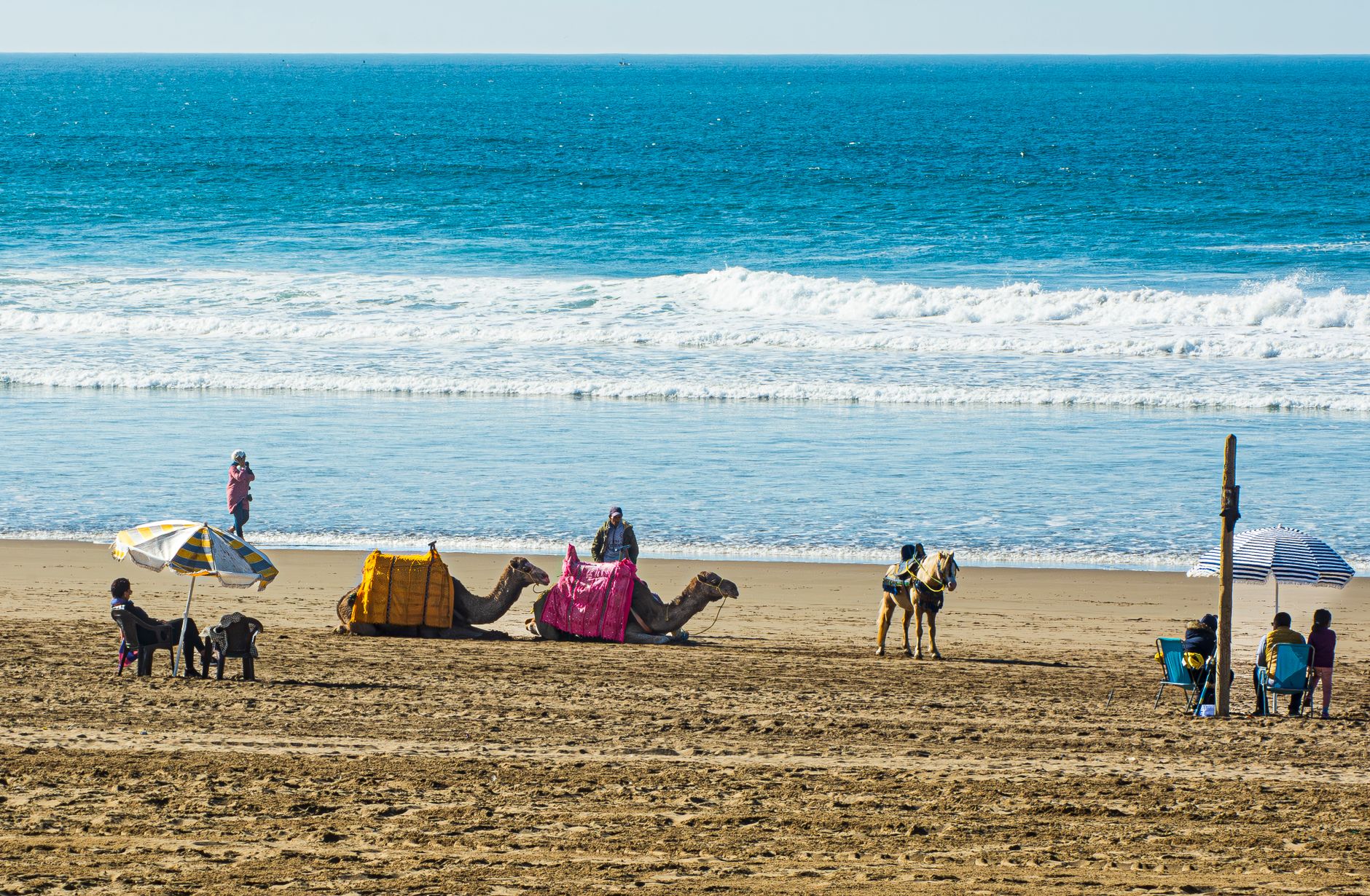
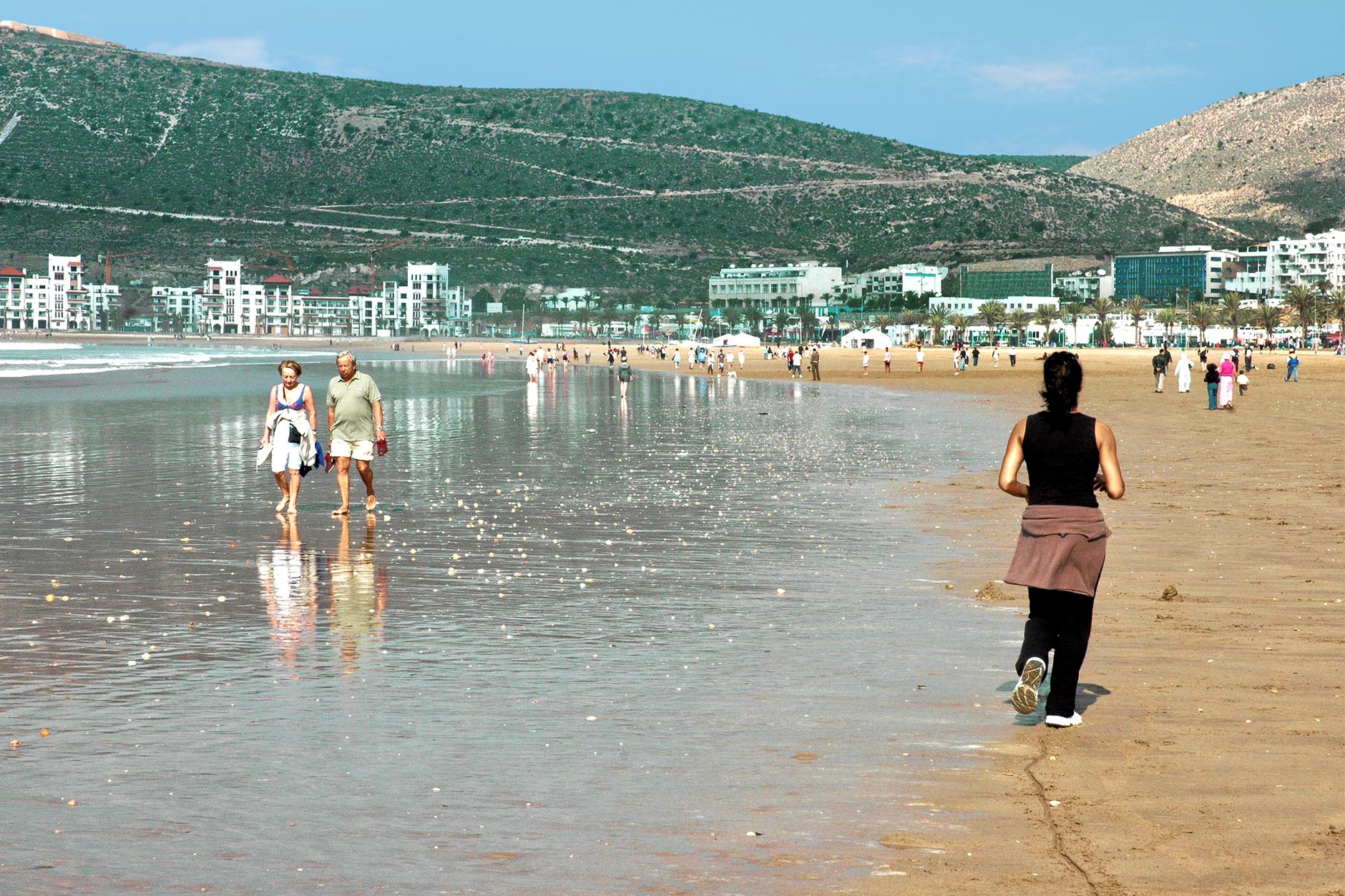
The heart of Agadir’s tourist life revolves around its oceanfront promenade, known locally as the Corniche. Sweeping continuously around a sheltered bay, the beach offers soft golden sand and clean, shallow waters suitable for swimming. The promenade itself is entirely pedestrianised, lined with open-air cafes, seafood restaurants, and ice cream parlours.
Morning is the best time for a quiet walk or jog along the shore before the afternoon sea breezes build up. Renting a sun lounger at one of the private beach clubs gives you access to full service and windbreaks, while large sections of the public beach provide plenty of room to lay out your own towel.
Ascend to the Agadir Oufella Kasbah
Perched high on a hill overlooking the city and the port, the historic Kasbah of Agadir Oufella remains one of the few surviving landmarks from the city’s pre-1960 history. Constructed in 1540 by the Saadian Sultan Mohammed ash-Sheikh to defend against Portuguese invasions, the original fortress walls once enclosed a bustling hilltop neighborhood.
While much of the interior was ruined in the 1960 quake, the fortified outer ramparts have undergone extensive restoration. Visiting the hilltop yields breathtaking panoramic views of the entire bay, the modern city grid, and the busy fishing harbor below. You can reach the top via a short taxi ride, a pleasant hike, or by taking the modern Agadir Cable Car (Téléphérique), which links the city base to the summit.
Shopping and Local Life at Souk El Had
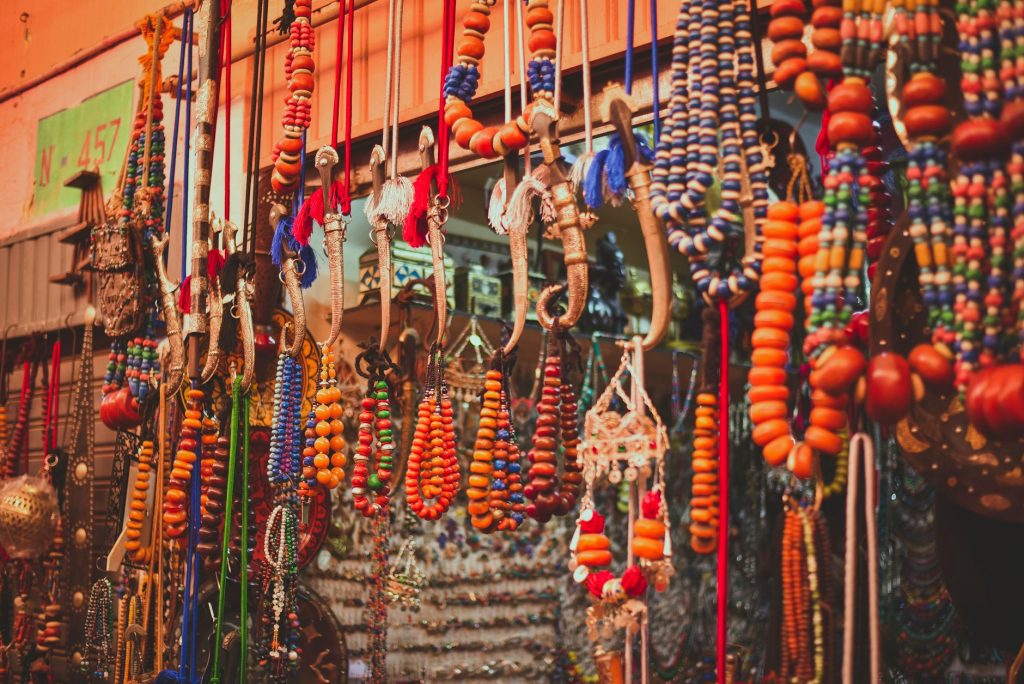
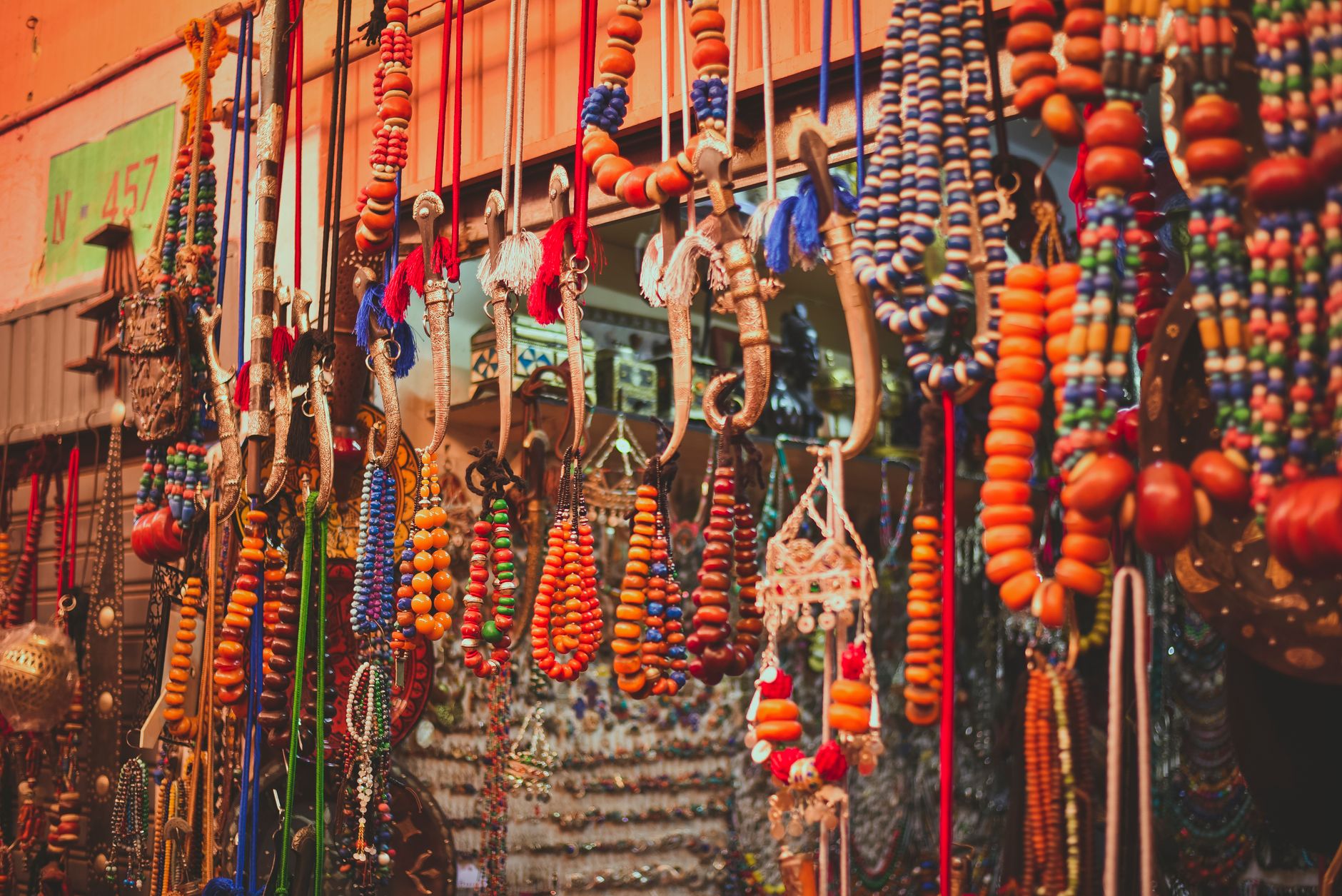
To experience authentic local commerce, step away from the beach resort zone and head inland to Souk El Had. Covering over 13 hectares and enclosed by high crenellated walls, this is one of the largest traditional markets in North Africa. With more than 6,000 stalls organised into numbered gates and sections, the souk caters primarily to locals, making it far less aggressive than the markets of larger tourist hubs.
Inside, the market comes alive with vivid sights and rich aromas. You will find dedicated sections for fresh produce, mountain spices, traditional pottery, leather slippers (babouches), handwoven rugs, and household goods. It is also an exceptional location to purchase authentic regional products, such as culinary and cosmetic Argan oil, Amlou (a delicious paste made from toasted almonds, argan oil, and honey), and Souss saffron.
- Practical Market Tip: Enter through Gate 9 or Gate 10 to access the spice and cosmetic sections directly.
- Schedule Note: Souk El Had is open six days a week and remains closed on Mondays for cleaning.
- Bargaining: Polite negotiation is standard practice for handicrafts, but fixed prices generally apply to fresh food produce by weight.
Where to Eat: Fresh Seafood and Traditional Souss Cuisine
Agadir’s culinary scene benefits immensely from its status as one of Morocco’s major fishing ports. Seafood lovers will find an abundance of daily catches served simply grilled or incorporated into aromatic coastal stews. For an unpretentious local experience, head to the small fish stalls located near the entrance of the commercial port. Here, you can select fresh sardines, sea bass, squid, or sole directly from display counters to be grilled to order on the spot, served with fresh lemon, bread, and harissa.
Regional Berber dishes dominate traditional dining across the city. Unlike northern tagines, Souss-style cooking relies heavily on organic olive oil, pure argan oil, and wild herbs from the nearby mountains. Must-try local specialties include:
- Berber Vegetable Tagine: A conical clay pot dish loaded with layered seasonal vegetables, olive oil, cumin, and saffron, cooked slowly over hot charcoal.
- Fish Tagine with Chermoula: Fresh ocean fish marinated in a herb blend of coriander, garlic, lemon juice, paprika, and cumin, layered with tomatoes and peppers.
- Couscous 7 Légumes: Traditional Friday meal featuring tender steamed semolina topped with a rich meat broth and soft seasonal vegetables.
- Amlou: A sweet dip crafted from stone-ground roasted almonds, wild honey, and pure argan oil, traditionally served at breakfast with crusty warm bread.
Best Day Trips from Agadir
One of the strongest arguments to visit Agadir is its proximity to diverse natural landscapes. Within one to two hours of driving, you can transition from coastal sand dunes to lush mountain valleys and historic fortified towns.
Taghazout and Tamraght
Located just 15 to 20 kilometres north along the coast, the neighboring villages of Tamraght and Taghazout have evolved from quiet fishing hamlets into international surfing capitals. Lined with surf camps, yoga retreats, and ocean-view cafes, these towns offer a laid-back, bohemian contrast to Agadir’s urban resort setting. Beginners can take surf lessons at smooth beach breaks like Banana Point or Devil’s Rock, while experienced surfers flock to world-renowned point breaks such as Anchor Point.
Paradise Valley
Carved into the foothills of the High Atlas mountains, Paradise Valley is a stunning river gorge famous for its limestone cliffs, natural rock pools, and dense palm groves. Located about 40 kilometres northeast of Agadir, it offers wonderful hiking trails through traditional Berber hamlets. Visitors can swim in natural mountain pools fed by freshwater streams, though it is wise to check local water levels before visiting in dry seasons.
Taroudant and Tiout Oasis
Often referred to as the « Little Marrakech, » Taroudant lies roughly 80 kilometres east in the heart of the Souss Valley. Enclosed by nearly eight kilometres of intact 16th-century red mud-brick ramparts, Taroudant retains an authentic, unhurried atmosphere. Explore its quiet medina, visit the twin markets (Souk Arab and Souk Berbère), and pair your excursion with a visit to the nearby Tiout Oasis, where thousands of date palms surround an ancient hilltop kasbah.
Legzira Beach and the Deep South
For dramatic coastal scenery, take a trip south toward Sidi Ifni to visit Legzira Beach. Renowned globally for its massive natural red sandstone archways carved out by ocean erosion, this wild Atlantic coastline offers incredible photographic opportunities and a windswept, unspoiled escape.
Practical Guide: Transport, Safety, and Best Time to Visit
Planning your logistics smoothly ensures a comfortable, trouble-free stay. Here is the essential practical information you need before arriving in Agadir.
Getting There and Around
Agadir is served by Al Massira Airport (AGA), located approximately 25 kilometres southeast of the city center. Direct flights connect the city to major European hubs. Taxis operate on fixed rates between the airport and the resort zone, while pre-booked private transfers provide seamless hotel arrivals.
Within the city, navigating is straightforward using Petits Taxis (painted bright red). These small vehicles operate strictly within city limits and are legally required to use a meter (compteur). Ensure the driver turns on the meter when you enter. For journeys outside the city boundaries, such as trips to Taghazout or Paradise Valley, you can utilize shared or private Grands Taxis from designated taxistands.
Best Time to Visit
Agadir is truly a year-round destination, but the ideal months to visit depend on your preferences:
- Spring (March to May): Outstanding weather with daily temperatures averaging 22°C to 26°C, blooming flora, and comfortable sightseeing conditions.
- Summer (June to August): Warm weather ideal for swimming, though a morning coastal sea fog (known locally as the *guelb*) often rolls in from the Atlantic, dissipating by mid-day.
- Autumn (September to November): Warm sea temperatures, clear skies, and fewer tourist crowds make this one of the best times to visit.
- Winter (December to February): Mild, sunny days with daytime temperatures often hovering around 20°C, perfect for escaping cold northern European winters.
Local Etiquette and Culture
While Agadir is one of Morocco’s most liberal and beach-friendly cities, respecting local customs remains important. Swimsuits and casual beachwear are fine on the beach and in hotel pool areas, but covering shoulders and knees when walking through residential neighborhoods, city streets, and markets shows respect for local traditions. Learning basic Arabic greetings (*Salam Alaykum*) or French phrases will be warmly appreciated by locals everywhere you go.
Frequently Asked Questions
How many days should I spend when I visit Agadir?
A stay of three to four days is ideal to experience Agadir’s main sights, relax on the beach, visit Souk El Had, and enjoy the waterfront. If you plan to use Agadir as a base for day trips to Taghazout, Paradise Valley, and Taroudant, plan for five to seven days.
Is Agadir safe for foreign tourists and solo travellers?
Yes, Agadir is considered one of Morocco’s safest cities for international visitors. Violent crime is rare, and the city has a visible tourism police presence. Normal travel precautions apply: watch your belongings in crowded areas like Souk El Had and avoid dark, isolated beach sections late at night.
Do I need to hire a car to explore Agadir and its surroundings?
Hiring a car is not necessary for exploring central Agadir, as red petits taxis are cheap and abundant. However, renting a car is highly recommended if you want the freedom to explore day-trip destinations like Legzira Beach, Paradise Valley, and Taghazout independently at your own pace.
Can I drink the tap water in Agadir?
While tap water in Agadir is treated and generally safe for washing and brushing teeth, visitors with sensitive stomachs are advised to drink bottled or filtered water throughout their trip to avoid minor digestive issues.
Conclusion
Agadir offers a perfectly balanced Moroccan coastal escape, blending modern comfort, accessible beach relaxation, and authentic Amazigh heritage. Whether you spend your days hunting for spices in Souk El Had, surfing Atlantic swells, or watching sunset over the ocean from the historic Kasbah ramparts, this sunny coastal destination delivers an unforgettable experience.
Ready to plan your Atlantic getaway? Start mapping out your itinerary, pack your sun cream, and prepare to discover the relaxed warmth and rich traditions when you visit Agadir.